
Simple Ways to Improve Your Nighttime Routine for Absolute Beauty
A poor nighttime routine can turn bedtime into a nightly negotiation with your own brain. You get into bed expecting sleep, then suddenly remember an email, check your phone, and somehow end up watching videos at 1 a.m. Building a few predictable habits before bed can help signal that the day is winding down. The goal is simple: make sleep easier to approach instead of treating bedtime like an emergency landing.
Give Your Brain a Clear Signal
Your body responds well to routines, especially when similar activities happen around the same time each evening. Start creating a short sequence that you can repeat, such as brushing your teeth, washing your face, changing into pajamas, and reading. These actions become familiar cues that bedtime is approaching. You do not need a 17-step ritual involving Himalayan salt and a singing bowl. Consistency matters more than making the routine impressive. Try keeping your bedtime and wake time reasonably consistent, even on weekends. A predictable schedule can support your body’s internal clock. If your current routine is chaotic, change one habit first rather than attempting an overnight transformation.
Put Some Distance Between You and Your Phone
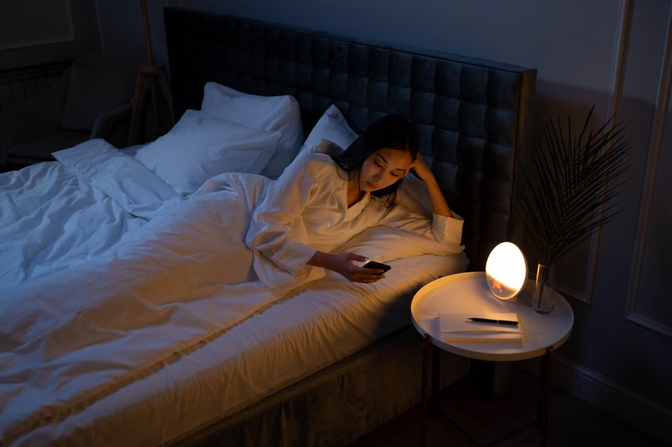
Your phone can make bedtime much harder than it needs to be. Notifications, messages, social media, and endless videos give your brain reasons to stay engaged. Bright screens can also contribute to light exposure late in the evening. Put the device aside before bed and give your attention something quieter. You do not have to throw your smartphone into a lake. Start by creating a specific cutoff time for scrolling. Charge the phone away from your bed if you regularly reach for it during the night. If that feels impossible, begin with 15 or 30 minutes of screen-free time before sleeping and build from there.
Make Your Bedroom Boring in a Good Way
Your bedroom should make relaxation easy. Keep the space comfortable, reasonably dark, and quiet enough for sleep. A cooler room may also feel more comfortable for many people. Think of your bedroom as a place for sleep rather than a second office, cinema, and gaming arena. Clutter can also make the room feel mentally busy. You do not need to perform a dramatic midnight cleaning marathon. Simply clearing your bedside table and putting work materials away can create a calmer environment. Small changes can make the space feel more associated with rest.
Choose Calming Activities
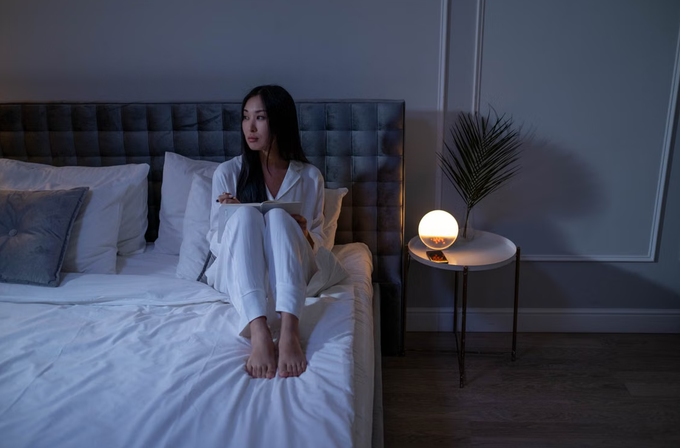
The final part of your evening should gradually reduce stimulation. Reading a physical book, listening to quiet music, stretching gently, or taking a warm shower can create a useful transition between daytime activity and sleep. Pick something that feels relaxing rather than another task you have to complete perfectly. If your routine becomes another source of pressure, it has missed the point. Try avoiding intense workouts, stressful conversations, or mentally demanding work immediately before bed if they keep you alert. Give yourself a little breathing room after busy activities. You want the final part of the evening to feel slower.
Keep the Routine Realistic
The best nighttime routine is one you can actually maintain. You do not need to change everything at once. Choose two or three habits, practice them consistently, and adjust based on how you feel. If you continue having significant trouble sleeping, frequent nighttime awakenings, or excessive daytime sleepiness, speak with a healthcare professional.…


 Botox is a safe and effective way to reduce the appearance of fine lines, wrinkles, and facial creases. It can also help smooth out crow’s feet around your eyes as well as forehead furrows caused by squinting or frowning. Botox is made from a natural protein called Botulinum toxin. This can help treat certain medical conditions, such as crossed eyes or uncontrolled blinking, by weakening the muscles causing them. It also gets rid of wrinkles caused by muscle movement in your face and neck. The injections relax the muscles, so they don’t move for three to six months. The results of Botox are usually temporary, but the effects can last longer in some people.
 Botox is a potent and effective treatment that helps to treat the symptoms of various muscle disorders. The side effects depend on where it’s injected, how much is used, and if someone has any allergies or other conditions that may cause problems. The most common Botox injections will produce pain at the injection site and bruising, which will disappear within a day or two. Some people may have flu-like symptoms, including headache, nausea and vomiting, low-grade fever, and muscle aches lasting up to three days after the injection. In extremely rare cases, anaphylaxis – a life-threatening allergic reaction – could occur with any injectable treatment, including Botox.
 Know the Ingredients
 Sharing your makeup
 Sleeping with your makeup on
 Drink more water
 Don’t eat too much sodium
 Exercise